
BLOGS
The content on this platform is written from the intersection of my lived experience and my professional training as a mental health practitioner specialising in religious trauma, cult recovery, and coercive systems. Where I share personal experience, it is my own story to tell. Where I use examples, scenarios, or composite illustrations, these are drawn from general human experience and clinical frameworks and do not represent any specific identifiable individual, family, or organisation. No names or identifying details of other people are ever used. This platform exists to support survivors in recognising and validating their own experiences. It is not intended to target, shame, or defame any person — and it does not.

Religious Trauma
This article defines religious trauma as the physical, emotional, and cognitive response to extreme, fear-based religious environments that overwhelm coping abilities. It outlines causes including authoritarian control and emotional manipulation, identifies symptoms like anxiety and existential dread, and provides a roadmap for recovery through therapy, education, self-compassion, and supportive communities.

Holding Emotions
This guide outlines a four-step process for holding emotions: becoming aware of physical sensations, acknowledging and naming the emotion, accepting it with curiosity and compassion, and attending to self-care needs. It emphasizes that all emotions are natural and provides practical tools for experiencing emotions without suppression or judgment.

Conditional Love
This article explores how conditional love in childhood; affection granted only when expectations are met creates lasting psychological impacts including fear of abandonment, low self-worth, people-pleasing, trust issues, and perfectionism. It emphasises that recognising these trauma responses and seeking therapy can help break the cycle and build healthier adult relationships.

Toxic Positivity & Mindful Awareness
This article contrasts toxic positivity which invalidates emotions and forces false cheerfulness with mindful awareness, the practice of observing thoughts and feelings without judgment. It explains how mindful awareness allows space for both comfortable and uncomfortable emotions, offering a healthier alternative to both forced positivity and negative rumination.

The Existential Free Fall
This personal account examines how fundamentalist Christian beliefs’ particularly fear of hell, the rapture, and eternal torment become the foundation of identity and create chronic anxiety. It explores the terrifying yet necessary process of deconstructing fear-based theology, describing it as an existential free fall that ultimately leads to authenticity and freedom.

Deconstructing Fear-Based Faith
This article explores the process of deconstructing fear-based faith, examining how fear of punishment and divine retribution becomes embedded in the nervous system through years of religious conditioning. It offers guidance on reclaiming inner authority, distinguishing fear from genuine belief, and navigating the discomfort of building meaning on your own terms.
The Psychology of the Blacked-Out Auditorium
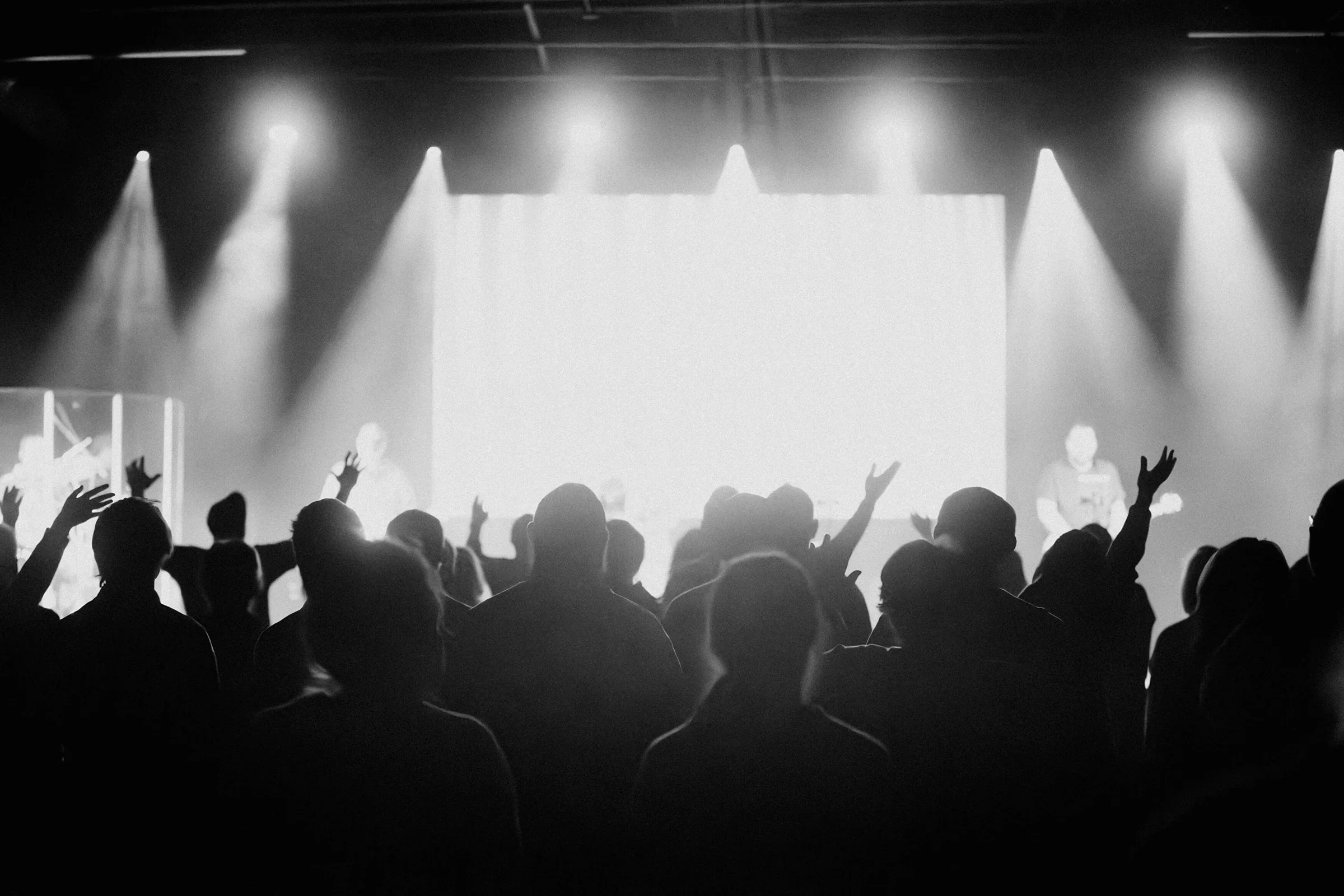
This article examines how modern megachurches use theatrical production techniques; lighting, music, staged emotions, and strategic messaging to manufacture belonging and extract compliance. It explores how sensory manipulation creates emotional vulnerability that's leveraged for financial giving and ongoing psychological control, even when individuals involved believe they're creating sacred space.
Sacred Hustle: The economics of megachurches
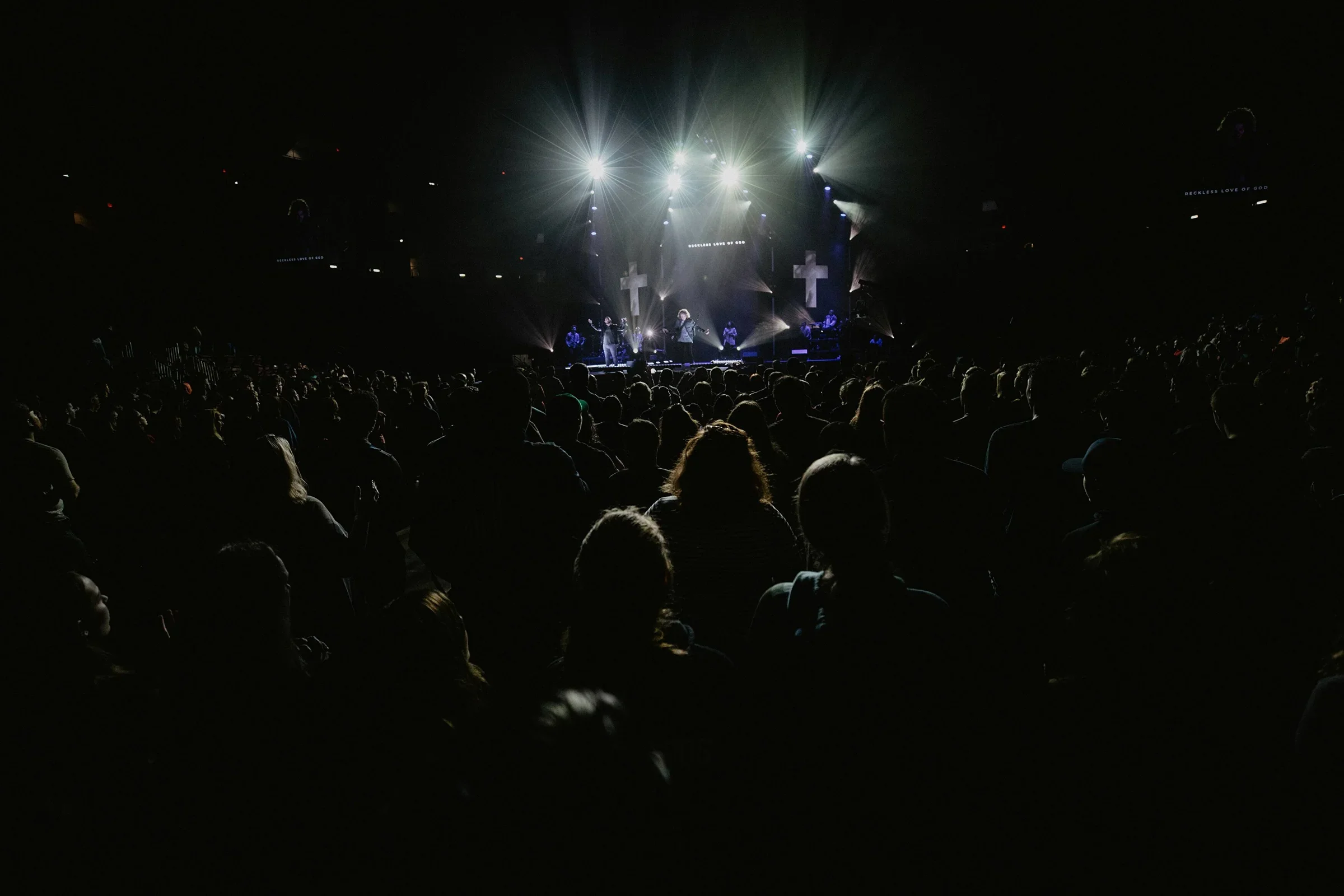
This article exposes how megachurches exploit unpaid labor by reframing exhaustion as devotion and sacrifice as calling. It examines the business model behind volunteer-driven church systems, the gendered nature of this exploitation, and how survivors can recover from trauma-bonded overwork by reclaiming rest and boundaries.

When Community Became a Weapon
This article explores why loneliness impacts cult and religious trauma survivors uniquely, examining how high-control groups weaponise belonging through conditional community. It explains the paradox survivors face’ craving connection while fearing it and offers research-backed insights on rebuilding trust through gradual, autonomous reconnection.

The Quiet Violence of Gatekeeping
This article examines the retraumatising impact of minimisation and invalidation on survivors of coercive systems, challenging the "hierarchy of harm" that dismisses subtler forms of control. It affirms that cultic dynamics are defined by patterns of behavior rather than dramatic aesthetics, and that survivors don't need external validation to name their experiences.

Compliance Is Not Consent
This article explores how indoctrination in high-control groups operates through subtle manipulation rather than overt force, contrasting it with informed consent. It examines how recruitment begins with warmth and belonging while withholding full information, and how retention erodes autonomy through fear, escalating commitment, and the demonization of doubt.